
For the Birds
February 2026
I expected it to consume me, this new hobby of mine. But instead of being stimulated by the thrill of the chase, I am drawn into reverie. Even as I write, I am entranced by the cedar waxwing perched above me, the soft gradients in harsh contrast to his stark black mask. A quartet of killdeer announce their arrival as they sweep low across the pond. I am surrounded by a chorus of rustling robins, upheaving the detritus littering the ground in search for an afternoon snack. The snow and ice have cleared, leaving the soft earth bare and open to the probing beaks of the hungry. With the way the yellow-rumped warblers flutter in the direction of the breeze, I nearly mistake them for falling leaves. My intention was to find our resident heron, often flying between neighborhood drainage ponds, crouched over the water’s surface like a dagger about to strike. But instead, I’m met with warm sunshine, rumbling golf carts, and a cacophony of residents and winter migrators alike.
I used to think if I started birdwatching, I’d become obsessive like so many other hobbies— an eternal treasure hunt of the birds of the world. I’ve heard stories of extreme birders dying, getting kidnapped, disappearing or becoming gravely injured in pursuit of a “lifer”—an often elusive bird they have never encountered. They tally up these birds in an ever-growing “Life List”. For some extreme birders, these lists can name over 8,000 bird species, totaling nearly three-quarters of the world’s extant species. Many of these birds live in remote areas, with dwindling habitat, and are particularly shy to human disturbance. Others may be across oceans, critically endangered, or simply excellent camouflagers. I shudder to think of all the birds I missed in my travels before taking the time to notice the birds.
There’s something about hearing a sound that I’ve never heard before that lights up my brain—I instantly know, “that’s something new”. I use the Merlin ID app religiously, as I struggle to remember sounds over seasons. I know it is not always accurate, sometimes confusing a car’s screech with a barn owl, or the cry of a child with a catbird. However, I have moved frequently, and my incessantly updating mental database struggles to keep up with new flora and fauna.
When I first moved to Charlotte, I decided to try to make friends through the local Audubon Society. I wanted to find people enthusiastic about nature and who love birds, just like me. I found friends (and even my own age!), but after a while, I realized that we did not bird the same way. They are smart, curious, enthusiastic birders with impressive lists of birds in the area and throughout the States. They spend their free time traveling and socializing with other birders, and send updates to our group chat of their adventures and new lifers. However, I crave intimate, happenstance moments with birds, finding awe in the ordinary. I found myself hesitant to share my own experiences with common birds in the places I like to frequent.
The difference between birding and birdwatching is that birding is to intentionally seek out, identify, and record birds. It dawned on me, that though I love the data, I am not truly a birder. What speaks to me are the moments that I feel a kinship with birds, when they demand my attention with their grace, playfulness, beauty, and strength—moments like removing an errant red shoulder hawk from the back porch with grill gloves or watching the blue heron fly low through the woods in the backyard as the sun sets. I remember my first time being tricked by a Mockingbird and her many tunes, somehow embodying a Cooper’s hawk, cardinal, and phoebe from the same branch.
With every place I’ve lived, I have memories of birds. My first experience hearing a redwing blackbird was in Denver, Colorado, its robotic song emanating from the reeds by the pond where I regularly walked our hound dog. Each year, I would watch their nests be revealed between the sedges and milkweed, as the colder months progressed. One time in the depths of January, along the same pond now frozen over with ice, I saw a bald eagle tearing apart the carcass of Canada goose, blood dragged across the white surface. I had never witnessed such brutality in a bird before that moment. That year was a particularly rough year for our traveling geese, as avian flu was rampant and many mysteriously died frozen in the surface of the ponds, statuesque even in their death, like ice sculptures awaiting a deep thaw.
When living in Wales, I watched red kites circle over the coastal path, remembering their beautiful story of recovery and survival. Their fork-tailed silhouettes seemed to accompany me on my way to and from work. On a hike up Pen Y Fan, I watched these majestic raptors play in their natural habitat, circling in the high air currents above the mountain and diving deep into the valley and back. But it wasn’t only the big and powerful birds I appreciated. I found joy in saying hello to the boisterous little European robin I crossed paths with every day, attempting to fend me off with the most clear whistles. The constant chatter of jackdaws and gulls woke me up in the morning, and a fleet of white doves flew like a banner above my path home every evening. On one walk through the wetlands, I remember hearing the high-pitched stridulations of a grasshopper. Curiously, having never heard a grasshopper in this meadow before, I pulled out my bird song recognition app just in case. Behold, it was a grasshopper warbler, a bird I had never seen nor knowingly heard before, its tune a mirror to our long-legged insect friends.
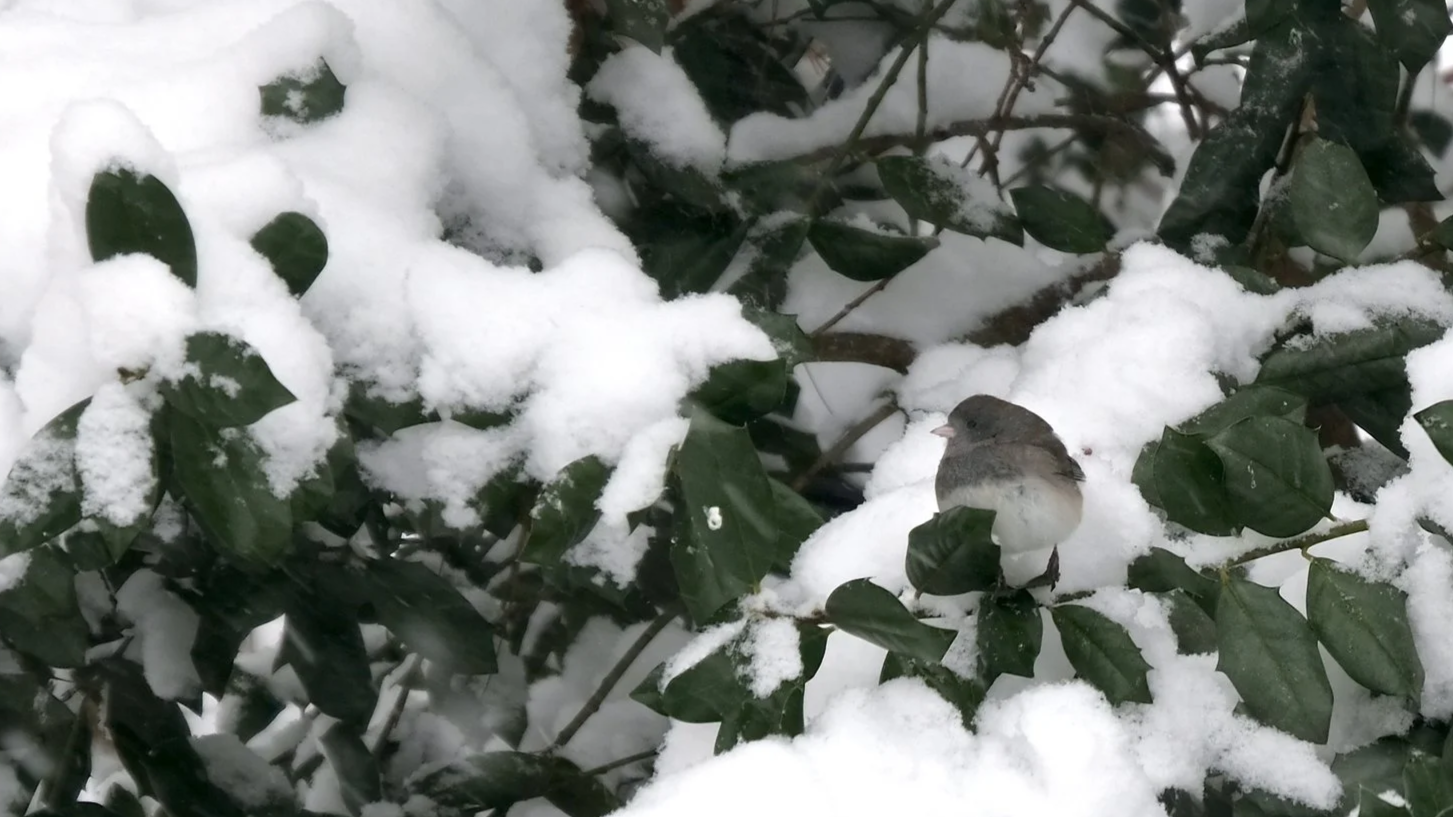
Staying in one place long enough to hear the cycles of migrations creates vital connections that tie me to the seasons and give me a sense of place. This winter I was introduced to the sounds of the white throated sparrow as December dawned, only a partial song of “Oh Canada”. The dark-eyed juncos prowled the snow under our feeder, and hooded mergansers with their pied coiffure, arrived to the ponds scattered around the county. I disturbed the visiting cedar wax wings and their small flock huddled in the tall cypress behind the nature center where I work, scattering berries in their wake. In the spring, I look forward to welcoming back the trills of the territorial ruby-throated hummingbirds, regularly refilling their feeders and fighting off the wasps that indulge in the dripping sugar water. Each cycle roots me in a little deeper. Soon, we will be moving again and I will need to relearn the soundscape of a new place. Soon, I will be inundated with newness, and I will have to stop to listen to and learn from the birds.